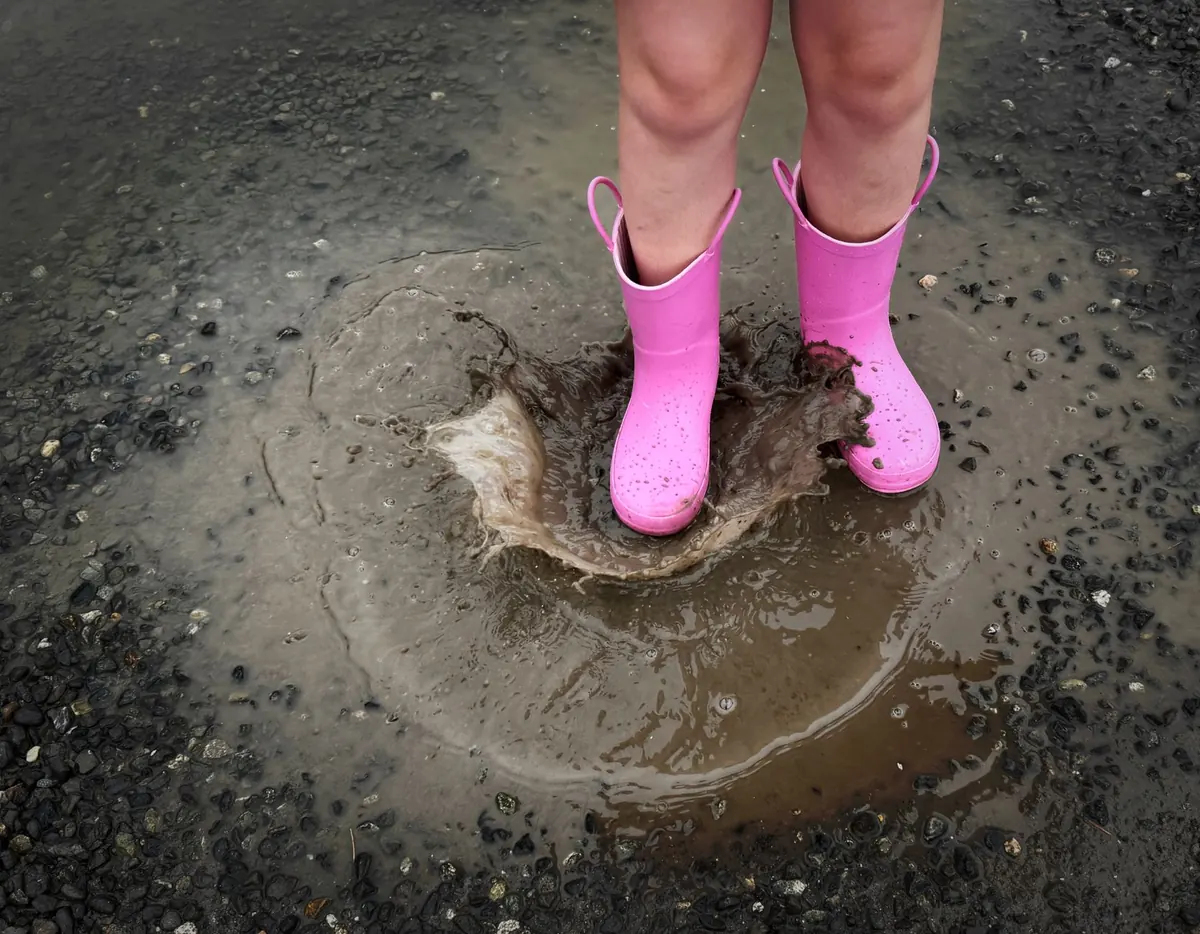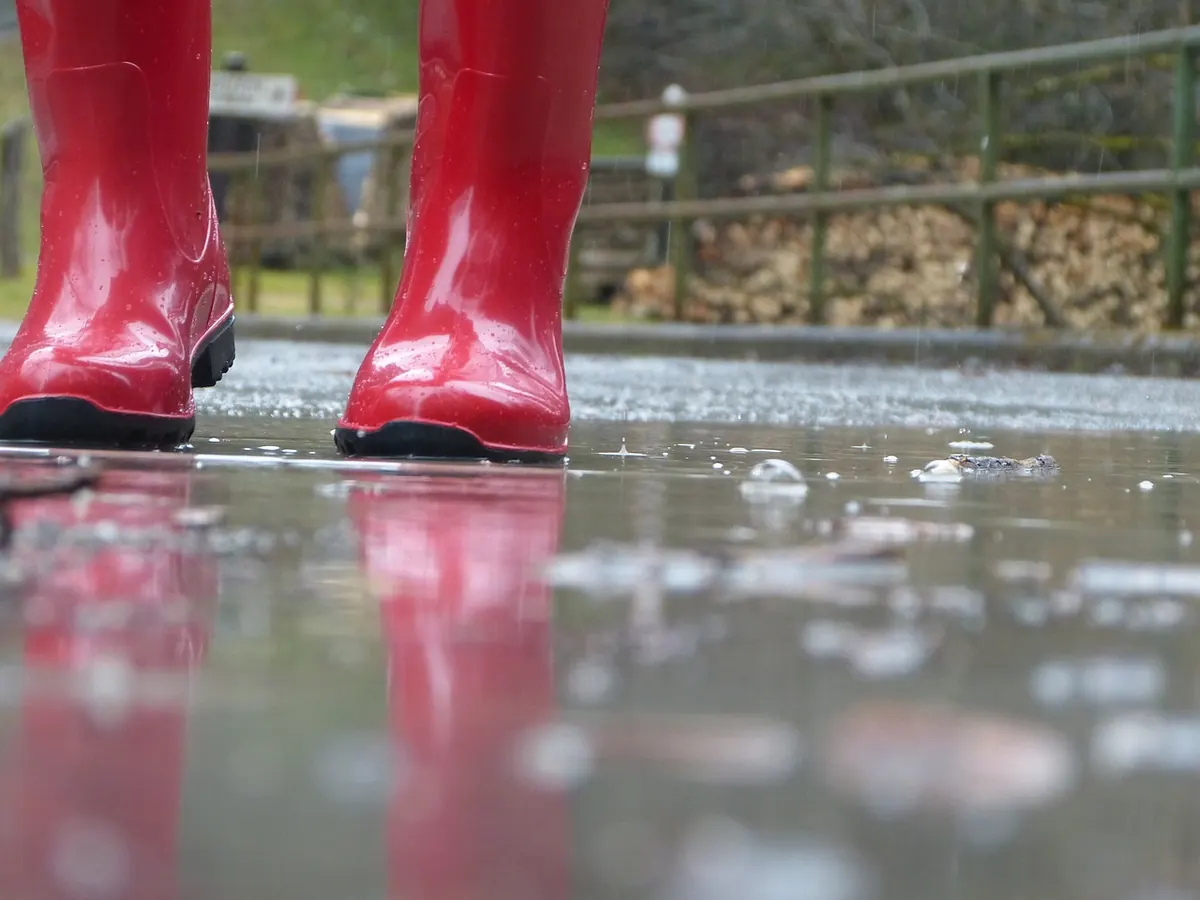
Spring is the season that asks the most of your footwear. One morning the path is a shallow stream, by afternoon it is a mud slick, and by evening you are crossing a car park that has somehow become a lake. Wellington boots handle all of it. The problem is that they can just as easily look like an afterthought — the shoes you grabbed because nothing else would survive the walk. Styling them well is less about chasing trends and more about reading the day: the ground underfoot, the temperature, and how far you plan to go. Get those three right and the rest of the outfit tends to fall into place.
Read the Ground Before You Get Dressed
Most people choose wellies by colour and then regret it halfway through a field. Start with the terrain instead, because the ground decides how tall and how grippy your boots need to be, and that in turn shapes what you wear with them.
- Pavements, parks and school runs after light rain: ankle or mid-height boots are enough. A neater, shorter boot works better with tailored trousers and dresses than a knee-high farm boot.
- Woodland, field edges, allotments and towpaths: tall boots with a deep tread. Low boots get sucked off in clay, and a shallow sole turns a gentle slope into a skating rink.
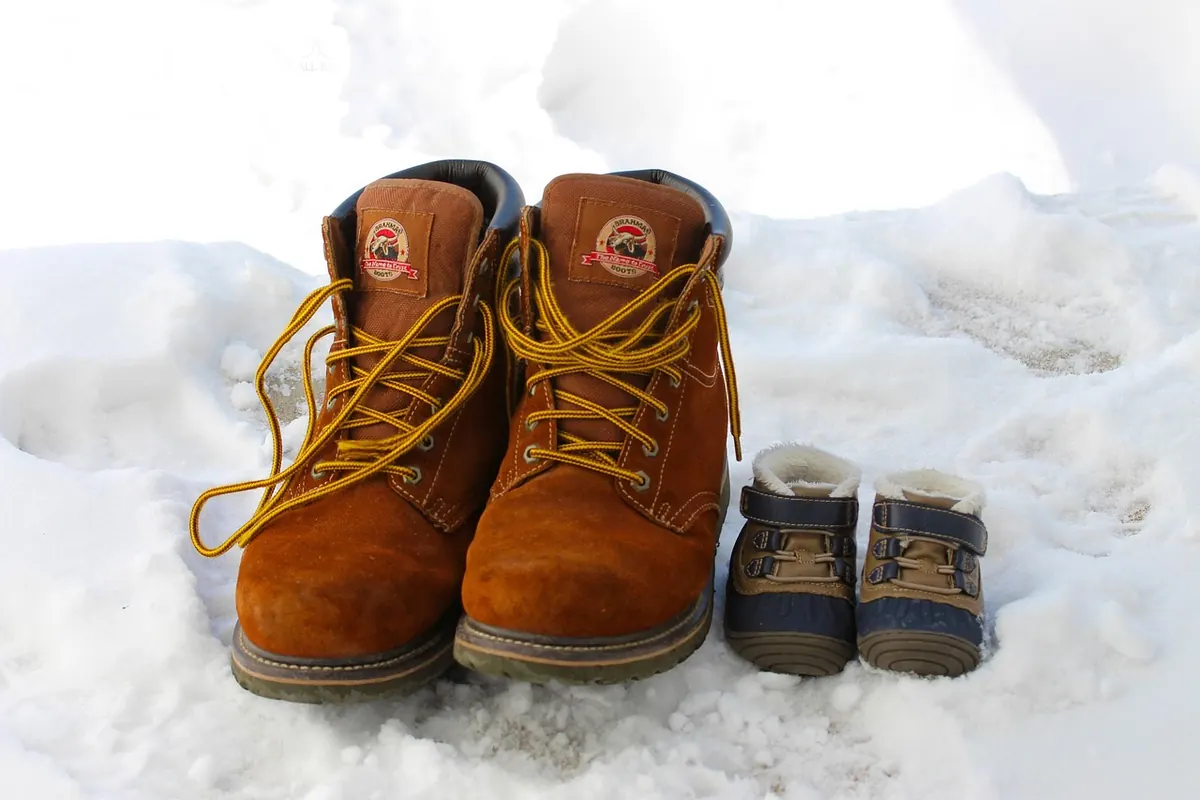
- Cold, wet, hours outdoors: an insulated or neoprene-lined boot, with room for a mid-weight wool sock. If the boot is tight, your feet will be cold no matter how thick the lining.
One more thing worth checking in the mirror: where the boot shaft lands on your leg. If the top edge sits right at the widest part of your calf, it draws attention there and can make the leg look shorter than it is. A shaft that finishes just below the calf, or higher up towards the knee, generally gives a cleaner line.
The Tuck Rule: Jeans, Leggings and Trousers
The single biggest styling decision with wellington boots is what happens where the trouser meets the boot. There are only two options that look deliberate: tuck the leg in, or crop the hem clearly above the boot. Anything in between — a hem bunched on the boot shaft, or a wide leg dragging through puddles — reads as accidental, and it will be soaked within ten minutes.
Tuck it in
Straight-leg jeans, leggings, joggers and tights all tuck well. Roll or fold the fabric flat against your leg so it sits smooth inside the boot; lumps and creases rub, and rubbing causes blisters. Dark denim, black, charcoal and olive hide splashes best. If your jeans are stiff or bulky at the ankle, they are not tucking jeans — wear them cropped instead.
Crop it over the top
Wide-leg jeans, tailored trousers and midi skirts look best finishing an inch or two above the boot's top edge. That gap is what makes the boot feel like part of the outfit rather than something hiding underneath. Bootcut and flared hems are the one style to avoid entirely: they flap against the boot, collect mud along the hem, and ruin the shape of an otherwise good silhouette.
Four Outfit Formulas That Work
When the forecast is uncertain and you need to be out the door, these combinations take about thirty seconds to assemble and hold up in real weather.
- Town errands: dark straight-leg jeans tucked into short black wellies, a striped long-sleeve tee, an oversized rain jacket, and a canvas tote. Add a cap if it is drizzling.
- Dog walk or muddy path: leggings or walking trousers tucked into tall green or navy boots, a merino base layer, a quilted gilet over a hooded fleece, and a crossbody bag that keeps your hands free for the lead.
- Weekend market or lunch: a heavier midi dress — denim, corduroy or a chunky knit — with opaque tights and mid-calf wellies, plus a cropped jacket so your waist does not disappear under all that fabric.
- Commute: wide-leg trousers cropped just above the boot, a fine-knit jumper, a long waterproof coat, and a neat shoulder bag. Keep everything from the knee up crisp and the boot does the rest.
Dresses and Skirts Without the Regret
Spring dresses and wellington boots are a genuinely good pairing, as long as you handle length, fabric weight and the space between hem and boot.
For length, aim for one of two outcomes: a midi that finishes above the boot shaft, or a maxi that falls well past it and skims the top of the boot as you walk. A hem that ends exactly where the boot begins creates a busy horizontal line across your leg and looks unresolved.
Fabric matters just as much. Light cotton and thin viscose cling when damp and stay wet for hours. Denim, corduroy, wool blends and heavier jerseys keep their shape, and if you want to wear a floral print, anchor it with a trench or a knit cardigan in a solid colour.
On legs, opaque tights in black, navy or charcoal look intentional. Sheer tights and rain rarely do. A ribbed wool sock folded above the boot is the easiest styling trick of all — pick a colour that echoes your scarf or bag and the practical choice suddenly looks planned.
Layers That Make It Look Deliberate
Wet-weather outerwear does most of the visual work, so it is worth getting the proportions right. A long waterproof coat over cropped trousers and boots works because you can still see the boot. A cropped jacket over a midi dress works because it breaks up the length. Try to show at least one clear boot-shaped gap between your hem and the ground.
Colour is simpler than it sounds. Either repeat your boot colour somewhere else — olive boots with an olive beanie, black boots with a black bag — or let the boots be the only strong colour against a background of cream, grey and navy. Both approaches look considered. What usually looks accidental is three unrelated brights competing at once.
Finish with a hands-free, water-resistant bag. A leather shoulder bag does not love a soaking, and an umbrella you have to hold while wrestling a dog, a toddler or a shopping bag is a false economy.
Socks, Care and a Quick Exit Check
Sock choice affects both comfort and looks. Wool and wool-blend socks keep feet warm even when damp; cotton holds water against the skin and leaves you cold. Mid-weight is the sweet spot — thick enough to cushion, thin enough that the boot still fits properly.
Before you leave the house, run through this quickly:
- Is the hem either tucked in flat or cropped clearly above the boot — nothing bunched in between?
- Are your socks smooth, with no creases that will rub over the next two miles?
- Can you see the boot from the knee down, or is it buried under fabric?
- Are your hands free?
After the walk, rinse mud off with cold water and a cloth, then air-dry your boots away from radiators and direct sun — rubber dries out and cracks when it is heated, and a stuffed newspaper lining speeds things up without damage. Wellington boots look intentional when the outfit around them answers a simple question: what kind of wet day is this, and what will I actually be doing in it? Answer that honestly, dress for the mud rather than against it, and you will look like you meant every part of it.
Photo: Metoou / Pixabay