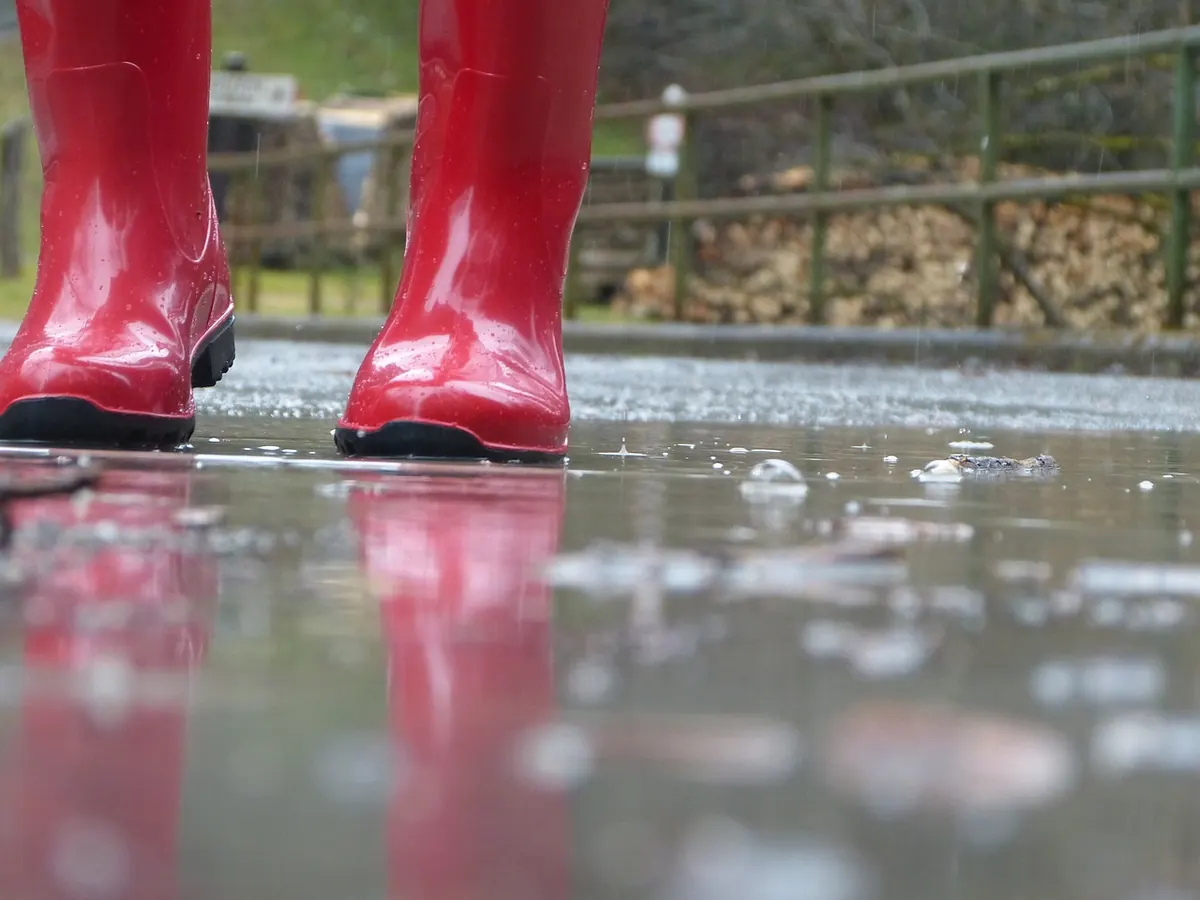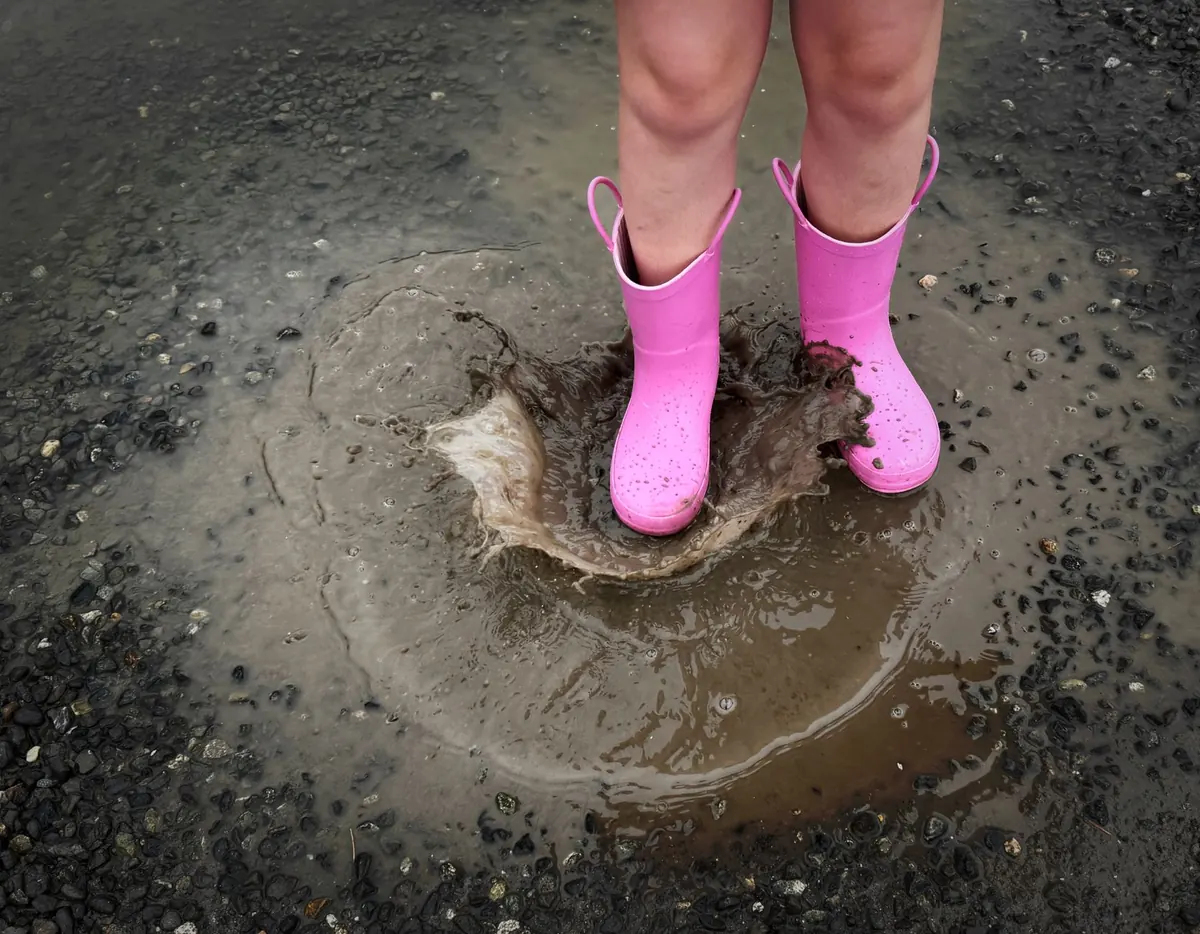
Stand in a muddy field or a slushy puddle for ten minutes, and the difference between rubber and neoprene Wellington boots becomes obvious. One keeps your feet warm and flexes as you move. The other shrugs off thorns and stands up to years of abuse. Neither material wins overall. The right choice depends on where you walk, how cold it gets, and how long you stay outside.
The basic difference between rubber and neoprene
Rubber boots are made from natural or synthetic rubber, often with a textile lining. They are molded, usually seamless, and rely on thick rubber for waterproofing and toughness. Classic green wellies, farm boots, and many fashion wellies fall into this group.
Neoprene boots start with a synthetic rubber foam. The material contains tiny air pockets, which is why it feels warm and spongy. Most neoprene wellies have a rubber sole, toe cap, and heel for grip and abrasion resistance. Some are fully neoprene with a rubber shell over the foot. This hybrid construction is common in winter and fishing boots.
Warmth and cold-weather performance
This is where neoprene wins for many people. Rubber is a poor insulator on its own. In cold weather, a thin rubber boot pulls heat out of your feet unless you wear thick socks. Neoprene traps warmth, and it keeps insulating even when wet. That makes it a strong choice for winter dog walks, standing on a riverbank, or working outside in sleet.
Thickness matters. Neoprene boots come in different thicknesses, often described in millimetres. A thicker neoprene boot will feel warmer but also bulkier. For mild winter days, a thinner neoprene boot with a wool sock may be enough. For deep cold or long periods of standing still, look for a thicker neoprene boot with a fleece lining or an insulated insole.
Rubber boots are not useless in cold. If you size them to fit a heavy wool sock and add a felt insole, they can work for short outings. But for all-day cold and wet, neoprene is usually more comfortable.
Flexibility, weight, and comfort
Rubber boots have a stiff, structured feel. That structure supports your ankle and protects your foot, but it can also rub, especially on the Achilles tendon or across the top of the foot. New rubber boots often need a few wears to soften. Some rubber compounds stay stiff for years.
Neoprene boots flex with your foot. They are easier to drive in, kneel in, and walk uphill in. They also tend to feel lighter on the foot, though not always. A thick neoprene boot with a heavy rubber sole can weigh as much as a rubber boot. The difference is where the weight sits and how the boot moves with you.
Comfort tip: always try boots on with the socks you plan to wear. Walk on a slope or stairs if the shop allows. Check that your heel does not lift too much. A boot that slips at the heel will cause blisters, no matter the material.
Durability and care
Rubber is tough. It resists abrasion, punctures from thorns, and repeated exposure to mud and water. The weak points are sunlight, ozone, and heat. Rubber can dry out, crack, and perish over time, especially if stored in a hot shed or left in direct sun. Clean mud off after use, rinse with plain water, and dry away from radiators. Store them upright in a cool, dark place.
Neoprene is softer and more prone to snags. A sharp branch or a barbed wire fence can tear it. The rubber shell on the foot helps, but the upper can still suffer. Neoprene also holds water in its outer fabric, so it takes longer to dry. It can develop odors if packed away damp. Rinse neoprene boots inside and out, and let them air dry thoroughly. Avoid direct heat, which can damage the foam.
If you work in brambles, rocky ground, or construction sites, rubber or a rubber-heavy hybrid is usually the safer bet. If you walk on grass, mud, and pavements, neoprene can last well with basic care.
Best use cases for each material
Rubber boots are a good fit for
- Warm or mild weather, including spring showers and summer festivals.
- Muddy gardens, allotments, and farmyards.
- Rough terrain with thorns, rocks, or broken glass.
- Short walks where you need easy on-and-off.
- People who prefer a structured boot with a roomy fit for thick socks.
Neoprene boots are a good fit for
- Cold, wet winters and snowy slush.
- Winter dog walks, birdwatching, fishing, and sitting in a hide.
- Standing in cold water or wet grass for long periods.
- Commuting on foot when you want warmth without bulky snow boots.
- Anyone who finds rubber boots stiff or painful to walk in.
Hybrid boots combine a rubber shell with a neoprene upper. They are a practical compromise: tough where you need it, warm and flexible where you move. If you can only own one pair for a wet, cold climate, a hybrid or a well-insulated neoprene boot is often the most versatile.
Fit, sizing, and socks
Rubber boots usually have a fixed shape. If they are too narrow, you cannot stretch them. If they are too long, your foot slides. Neoprene stretches a little, but it can also feel tight across the instep. Neither material will magically fit after a few wears. Buy the size that fits with your thickest socks, then use thinner socks in warmer weather with an insole if needed.
Sock choice matters as much as the boot. Wool and synthetic blends wick moisture and stay warm when damp. Cotton socks hold sweat and make feet cold. In neoprene boots, a thin liner sock under a wool sock can reduce friction and keep feet drier. In rubber boots, a single thick wool sock is often enough for a short winter walk.
Check the sole too. Deep lugs help in mud and snow. A heel kick helps you remove the boot. A removable insole lets you replace it when it flattens or add extra insulation.
How to decide in two minutes
Ask yourself three questions.
- How cold and wet will it be? If you will be out in near-freezing rain or snow for more than an hour, choose neoprene or a hybrid. If the weather is mild and wet, rubber is fine.
- What will you walk on? Rough, thorny, or rocky ground calls for rubber or a rubber-heavy hybrid. Grass, mud, pavements, and boardwalks suit neoprene or a hybrid.
- How long will you wear them? All day or standing still means insulation matters, so favor neoprene. Short errands and garden jobs are simpler with rubber.
There is no single right answer. Many people end up with a rubber pair for summer and a neoprene pair for winter. If you only have space for one, match the material to your coldest, wettest regular outing. That is the pair you will reach for most often. If you have circulation problems, diabetes, or another health condition that affects your feet, pay extra attention to warmth, fit, and pressure points, and speak to a healthcare professional about suitable footwear.
Photo: Arturo EG / Pexels